
Skip to content
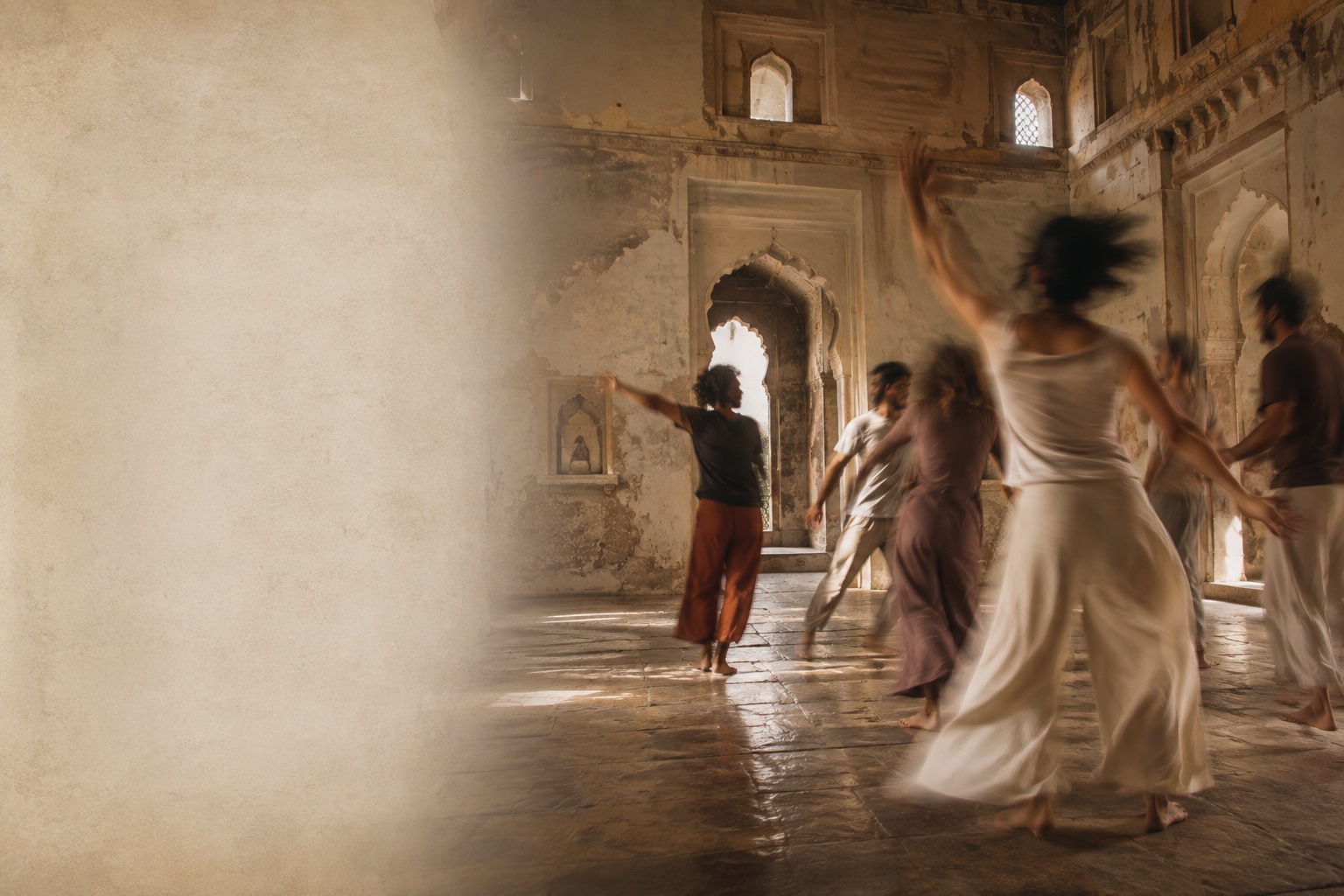
People dancing in an old building
ACTIVE MEDITATIONS

Sometimes sitting still is not where we begin.

The body may need to move first.

Stillness can be difficult when the body is carrying tension, restlessness or emotion.

Active meditation begins differently. We may move, breathe, shake, make sound or simply allow the body to express what is there.

And then, after the movement, we stop.

The stillness that follows feels very different from the stillness we were trying to create.
 

What are Active Meditations?

Stillness does not always begin with being still.

Understanding

Many of us arrive at meditation with a busy mind, tension in the body, or emotions that have had nowhere to go.

Trying to sit quietly on top of all of that can sometimes become another effort.

How it works

Active Meditations begin with the body. Through movement, breath, shaking, sound or expression, we give some of that accumulated energy somewhere to move.

The result

Then we stop.

The activity is not the destination. It creates the possibility of meeting the silence that follows differently.

First movement. Then stillness.
FROM MOVEMENT TO STILLNESS

Sometimes we need to move through what is present.

Different practices take different forms. There may be movement, breath, sound or expression followed by moments of complete stillness.

MOVE

Shake, move, dance or allow the body to become less controlled.

BREATHE

Breath can become deeper, faster or more deliberate, bringing attention back into the body.

EXPRESS

Some practices make space for sound, emotion or whatever needs to move through.

STOP

And then suddenly, everything stops. We stand, sit or lie completely still and notice what remains.

The silence after movement has a different quality.
THE MEDITATION

We begin with the body.

There is no need to know how to meditate, or to be good at sitting still.
Depending on the practice, we may begin with shaking, movement, breath, sound or dance. Some meditations are energetic. Others are slower. There may be moments of expression, followed by periods where we simply stop and notice.
I guide the structure and timing, so you do not need to work out what to do next. Your attention can stay with your own experience.
These practices can be explored individually or in a group. We can also use a shorter active practice within a longer session when it feels helpful.
You don’t have to make yourself quiet.
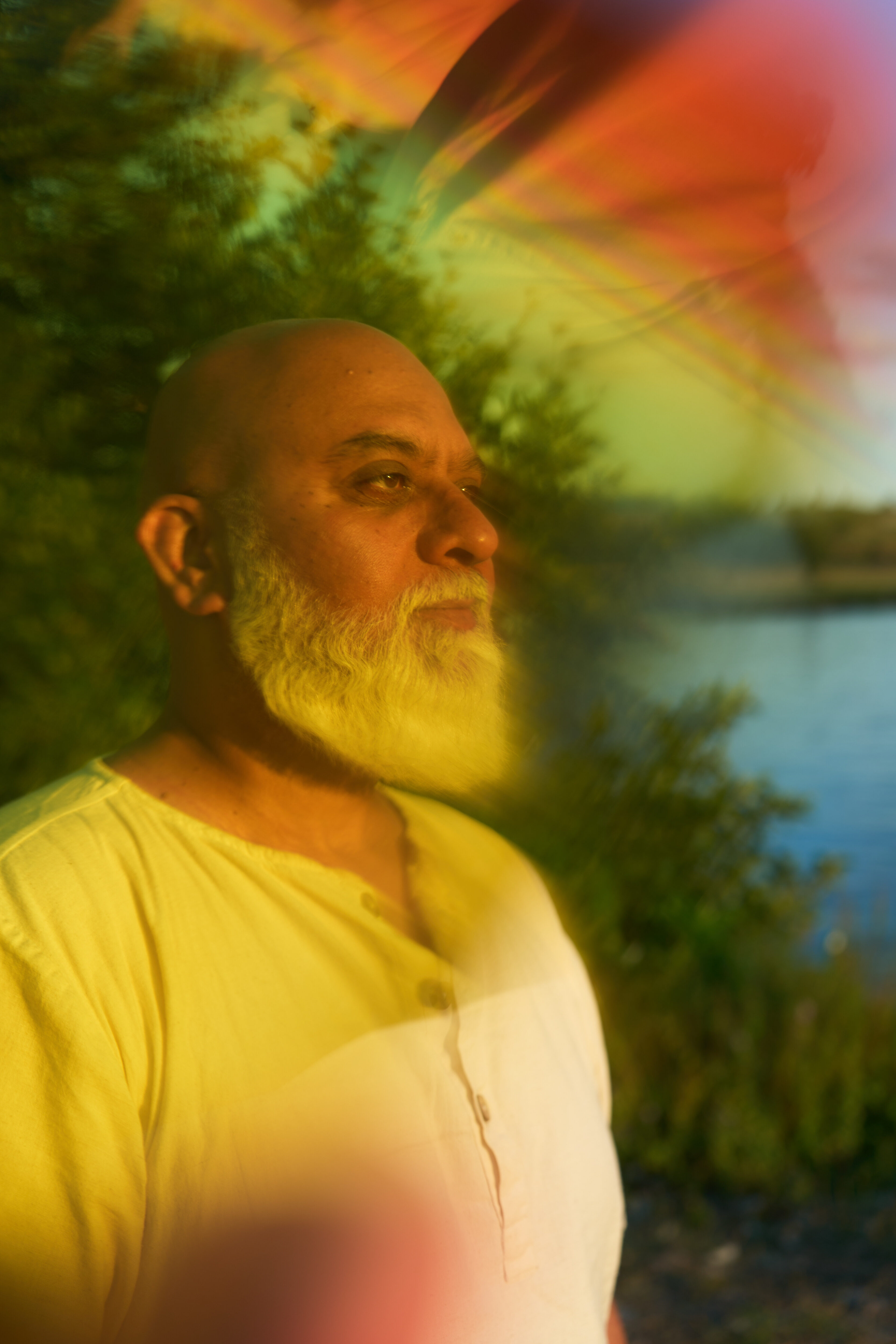
Rainbow portrait
A PERSONAL NOTE

I don’t always arrive in stillness quietly.

There are days when sitting down and trying to become still is exactly what I need. And there are days when my body has other ideas.

I have practised and facilitated meditation for many years, and active practices continue to remind me that we don’t always have to fight our way through a busy mind.

Sometimes I need to shake. To breathe. To move. To let the body do something before asking it to do nothing.

What I value most is the moment afterwards. The movement stops, the music stops, and for a while there is nothing to do.

I don’t try to manufacture that silence. I simply notice what is there.
Move. Shout. Scream. Dance. Swirl. Be
YOU CAN BEGIN HERE.

Curious? That’s enough to begin.

You can come with a question, a feeling, a pattern you keep meeting or simply with the sense that something needs attention.